A Tea Cup Collector’s Guide: An Overview
Embarking on a journey into tea cup collecting unveils a fascinating world‚ blending history‚ artistry‚ and personal enjoyment for dedicated enthusiasts worldwide.
From delicate porcelain to robust stoneware‚ diverse types cater to every collector’s preference‚ offering endless possibilities for specialized collections.
Understanding maker’s marks‚ rarity‚ and condition are crucial for assessing value‚ while resources like auction records and online guides aid in informed decisions.
Understanding the Appeal of Tea Cup Collecting
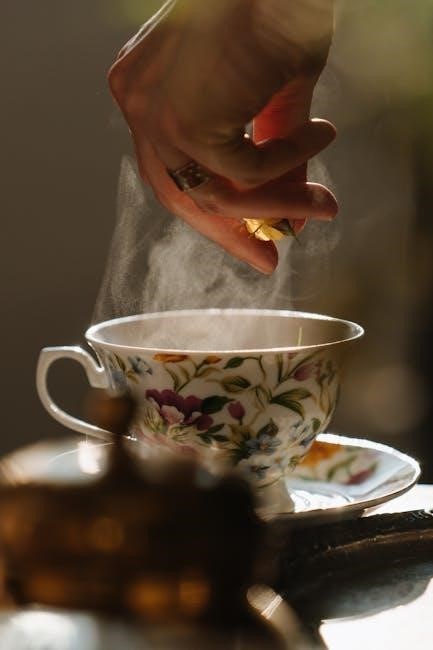
The allure of tea cup collecting stems from a unique confluence of factors‚ captivating individuals across generations. It’s a hobby deeply rooted in history‚ offering tangible connections to bygone eras and the social rituals surrounding tea consumption. Each cup often tells a story‚ reflecting the artistic styles‚ cultural influences‚ and manufacturing techniques of its time.
Beyond the historical aspect‚ the aesthetic beauty of tea cups is undeniably appealing. The intricate patterns‚ delicate craftsmanship‚ and vibrant colors provide visual delight‚ transforming a simple beverage into an elegant experience. Collectors are drawn to the artistry‚ seeking pieces that resonate with their personal tastes and complement their existing collections.
Furthermore‚ the thrill of the hunt – discovering rare or unique cups – adds an element of excitement. The process of researching‚ identifying‚ and acquiring these treasures fosters a sense of accomplishment and intellectual stimulation. It’s a hobby that combines passion‚ knowledge‚ and a touch of serendipity‚ making it incredibly rewarding for those who embrace it.
Historical Significance of Tea Cups
Tea cups boast a rich history‚ evolving alongside the global spread of tea itself. Originating in China‚ tea drinking transitioned to Europe in the 17th century‚ initially as a luxury enjoyed by the elite. Early European tea cups were often crafted from porcelain‚ mimicking the prized Chinese imports‚ and quickly became symbols of status and refinement.
The 18th and 19th centuries witnessed a flourishing of tea cup production‚ particularly in England‚ with iconic patterns like Spode and Wedgwood emerging. These cups weren’t merely functional; they were integral to elaborate tea ceremonies and social gatherings‚ reflecting societal norms and artistic trends.
Victorian tea cups‚ for example‚ showcase ornate designs and delicate floral motifs‚ embodying the era’s romantic sensibilities. Later‚ Art Deco styles introduced geometric patterns and bold colors‚ mirroring the modern aesthetic; Collecting these cups offers a tangible link to these historical periods‚ preserving a fascinating aspect of cultural evolution.
Types of Tea Cups to Collect
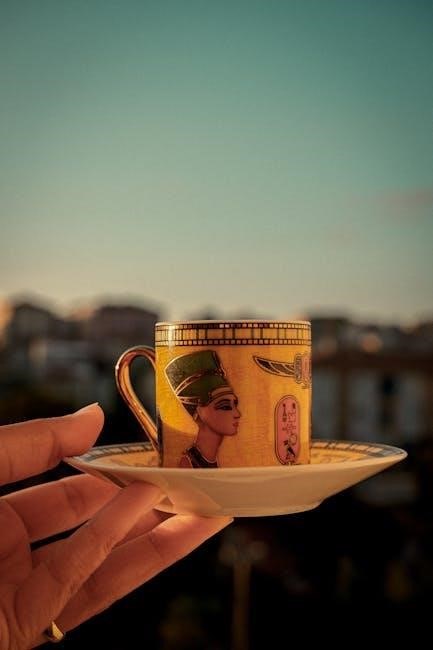
Diverse materials define tea cup collections: bone china’s elegance‚ porcelain’s refinement‚ stoneware’s durability‚ and glass’s modern appeal‚ each offering unique characteristics.
Bone China Tea Cups
Renowned for their delicate translucence and exceptional strength‚ bone china tea cups represent the pinnacle of tea ware craftsmanship. The addition of bone ash to the porcelain clay creates a remarkably fine and durable material‚ highly prized by collectors. Historically‚ bone china emerged in England during the 18th century‚ quickly becoming associated with elegance and refinement.
Collectors often seek bone china tea cups from esteemed manufacturers like Wedgwood‚ Royal Albert‚ and Spode‚ recognizing their enduring quality and artistic designs. Patterns range from classic floral motifs to intricate gilded details‚ reflecting various historical periods and aesthetic sensibilities. Identifying genuine bone china involves examining the cup’s translucency – holding it up to the light should reveal a subtle glow.
Valuable examples often feature hand-painted decorations and limited-edition releases‚ increasing their desirability within the collecting community. Proper care‚ including gentle hand washing and careful storage‚ is essential to preserve the beauty and value of these exquisite pieces.

Porcelain Tea Cups
Porcelain tea cups‚ celebrated for their smooth texture and refined appearance‚ constitute a significant category within tea cup collecting. Originating in China centuries ago‚ porcelain’s journey to the West sparked a fervent demand for these elegant vessels. Unlike bone china‚ porcelain doesn’t contain bone ash‚ resulting in a slightly heavier‚ though still delicate‚ feel.
Collectors appreciate the diverse range of porcelain styles‚ from traditional Chinese export ware to European interpretations like Meissen and Sèvres. These cups often showcase vibrant hand-painted scenes‚ intricate floral designs‚ and delicate gilding. Identifying porcelain involves checking for a high-pitched ring when tapped gently‚ indicating its density and quality.
The value of porcelain tea cups is influenced by factors such as age‚ maker’s mark‚ rarity of the pattern‚ and overall condition. Careful handling and storage are crucial to prevent chipping or cracking‚ preserving their aesthetic appeal and collectible worth.
Stoneware Tea Cups
Stoneware tea cups represent a more rustic and durable alternative to porcelain or bone china‚ appealing to collectors who appreciate a practical yet charming aesthetic. Fired at higher temperatures‚ stoneware exhibits a denser‚ less translucent quality‚ making it remarkably chip-resistant and suitable for everyday use – a contrast to more delicate options.
Historically‚ stoneware gained prominence with the rise of industrial production‚ offering affordability and accessibility. Collectors often seek out examples from renowned potteries like Wedgwood and Staffordshire‚ known for their distinctive glazes and transfer-printed designs. Patterns frequently feature pastoral scenes‚ geometric motifs‚ or commemorative imagery.
Evaluating stoneware tea cups involves assessing the clarity of the glaze‚ the intricacy of the decoration‚ and the presence of any manufacturing flaws. While generally less valuable than fine china‚ rare patterns or pieces from significant makers can command considerable prices among dedicated enthusiasts.
Glass Tea Cups
Glass tea cups‚ while a relatively modern addition to the collector’s world‚ offer a unique and visually striking alternative to traditional materials. Their transparency showcases the color of the tea itself‚ enhancing the sensory experience‚ and allowing for appreciation of the brewing process. Collecting glass tea cups often centers around artistry in design and color.
Various techniques contribute to their appeal‚ including molded glass‚ cut glass‚ and hand-painted decorations. Vintage glass tea cups‚ particularly those from the mid-20th century‚ frequently exhibit bold Art Deco patterns or delicate floral motifs. Limited edition pieces or those created by renowned glass artists are highly sought after.
When assessing value‚ consider the quality of the glass‚ the intricacy of the design‚ and the overall condition. Chips or cracks significantly diminish value‚ so careful inspection is crucial. Popular brands and unique designs drive collector interest.
Identifying Valuable Tea Cups
Determining a tea cup’s worth requires careful examination of maker’s marks‚ rarity‚ and condition; these factors significantly influence its collectible value and desirability.
Maker’s Marks and Backstamps
Decoding a tea cup’s history often begins with its maker’s mark‚ or backstamp – a unique identifier revealing the manufacturer and sometimes the date of production.
These marks‚ typically found on the underside of the cup and saucer‚ can range from simple initials to elaborate logos‚ offering valuable clues about origin and age.
Renowned porcelain houses like Wedgwood‚ Royal Doulton‚ and Haviland often feature distinctive backstamps that collectors readily recognize and highly prize.
Researching these marks is essential; dedicated websites and reference books catalog thousands of backstamps‚ aiding in accurate identification and valuation.
Variations in marks over time can also indicate specific periods or limited editions‚ further enhancing a cup’s collectibility and potential worth.
Understanding the evolution of these markings provides insight into the craftsmanship and historical context of each piece‚ enriching the collecting experience.
Rarity and Limited Editions
The value of a tea cup is significantly impacted by its rarity‚ with limited editions commanding premium prices among collectors worldwide.
Cups produced in small quantities‚ perhaps as commemorative pieces or special collaborations‚ are inherently more scarce and desirable.
Factors contributing to rarity include discontinued patterns‚ short production runs‚ or unique design features not widely replicated.
Limited edition cups often come with certificates of authenticity‚ verifying their exclusivity and bolstering their investment potential.
Collectors actively seek out these rare finds‚ driving up demand and creating a competitive market for exceptional pieces.
Identifying limited editions requires careful examination of documentation and research into the manufacturer’s production history.
Condition and Wear
A tea cup’s condition is paramount when determining its value‚ with pristine examples fetching considerably higher prices than those exhibiting wear.
Collectors meticulously assess cups for chips‚ cracks‚ crazing (fine lines in the glaze)‚ and repairs‚ as these flaws diminish desirability.
Even minor imperfections can significantly impact value‚ particularly in antique or highly sought-after patterns.
However‚ some degree of wear is often acceptable‚ especially in vintage pieces‚ reflecting their age and previous use.
Understanding the difference between acceptable patina and detrimental damage is crucial for accurate assessment.
Careful handling and proper storage are essential to preserve a tea cup’s condition and maintain its investment value over time.
Popular Tea Cup Patterns and Styles
Victorian‚ Art Deco‚ floral‚ and commemorative designs represent beloved styles‚ each offering unique aesthetic appeal and historical significance to avid collectors.
Victorian Tea Cups
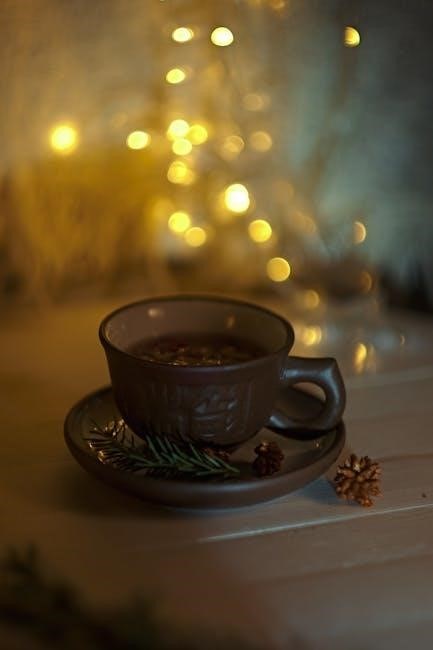
Victorian tea cups‚ produced roughly from 1837 to 1901‚ embody an era of refined elegance and intricate detail‚ making them highly sought-after collectibles. These cups often feature lavish floral patterns‚ romantic scenes‚ and gilded accents‚ reflecting the aesthetic sensibilities of the time.
Popular motifs include roses‚ violets‚ and other delicate blooms‚ meticulously hand-painted onto fine bone china or porcelain. Collectors particularly prize cups from renowned manufacturers like Royal Albert‚ Shelley‚ and Paragon.
Identifying genuine Victorian pieces requires careful examination of the maker’s mark‚ the quality of the painting‚ and the overall craftsmanship. The presence of hand-painted details‚ rather than transfer prints‚ is a key indicator of authenticity and value. Look for delicate handles‚ ornate shapes‚ and a generally luxurious feel.
Condition is paramount; chips‚ cracks‚ or significant wear can substantially diminish a cup’s worth. Victorian tea cups represent not just a functional item‚ but a tangible connection to a bygone era of grace and sophistication.
Art Deco Tea Cups
Art Deco tea cups‚ flourishing from the 1920s to the 1930s‚ represent a dramatic shift from Victorian aesthetics‚ embracing geometric designs‚ bold colors‚ and streamlined forms. These cups showcase a modern sensibility‚ reflecting the era’s fascination with technology and industrialization.
Common characteristics include angular shapes‚ stylized floral motifs‚ and the use of vibrant hues like black‚ gold‚ and emerald green. Manufacturers such as Shelley‚ Royal Winton‚ and Clarice Cliff were prominent producers of Art Deco tea wares.
Collectors often seek out cups featuring sunburst patterns‚ stepped designs‚ and depictions of exotic animals or landscapes. Identifying authentic Art Deco pieces involves recognizing the distinctive style and examining the maker’s mark for dating purposes.
The condition of these cups is crucial‚ as chips or cracks can significantly impact their value. Art Deco tea cups offer a stylish glimpse into a glamorous and innovative period.
Floral Patterns
Floral patterned tea cups represent a timeless and incredibly popular category for collectors‚ spanning centuries of design and artistry. From delicate hand-painted blooms to vibrant‚ bold botanical illustrations‚ the variety is extensive and appealing.
Victorian era cups frequently feature romantic rose patterns‚ while later designs showcase more stylized and abstract floral arrangements. Popular floral motifs include roses‚ violets‚ lilies‚ and cherry blossoms‚ often accompanied by gilded accents.
Identifying the specific floral pattern can be challenging‚ but resources like online databases and collector’s guides can assist in accurate identification. The quality of the painting‚ the rarity of the design‚ and the overall condition significantly influence value.
These cups evoke a sense of elegance and charm‚ making them a cherished addition to any tea cup collection‚ offering a beautiful connection to nature.
Commemorative Tea Cups
Commemorative tea cups offer a unique glimpse into historical events and royal celebrations‚ making them highly sought-after by collectors. These cups were specifically produced to mark significant occasions‚ such as coronations‚ weddings‚ and jubilees.
British royal commemoratives are particularly popular‚ with cups celebrating Queen Victoria‚ Edward VII‚ and Queen Elizabeth II being especially valuable. American historical events‚ like presidential inaugurations and world fairs‚ also inspired commemorative designs.
The value of a commemorative cup depends on the importance of the event‚ the rarity of the cup‚ and its condition. Cups produced in limited quantities or featuring unique designs command higher prices.
Collecting these cups provides a tangible connection to the past‚ offering a fascinating way to explore history through beautiful and delicate porcelain artistry.
Assessing Tea Cup Value
Determining a tea cup’s worth requires diligent research‚ examining auction records‚ utilizing price guides‚ and considering professional appraisals for accurate valuations.
Researching Auction Records
Delving into past auction results is a cornerstone of accurately assessing tea cup value. Websites specializing in auction archives‚ such as those for major auction houses like Sotheby’s and Christie’s‚ provide a wealth of data.
Specifically‚ search for comparable tea cups – those with similar patterns‚ makers‚ materials (bone china‚ porcelain‚ etc.)‚ and condition. Pay close attention to the final sale price‚ including buyer’s premiums‚ to understand the true cost.
Analyzing trends over time can also be insightful. Has the value of similar pieces increased‚ decreased‚ or remained stable? This historical data informs your own valuation.
Remember to filter results carefully‚ considering factors like location (auction location can influence price) and the completeness of the set (a single cup versus a full tea service).
Furthermore‚ noting the descriptions used by auction houses can provide valuable keywords for future searches and a better understanding of desirable features.
Using Online Price Guides
Numerous online price guides cater to collectors‚ offering estimated values for various tea cups. Replacements‚ Ltd. is a prominent resource‚ providing pricing based on recent sales and market trends‚ though focusing heavily on replacement pieces.
However‚ exercise caution when relying solely on these guides. Values are often estimates and can fluctuate significantly based on condition‚ rarity‚ and demand. Consider them a starting point‚ not a definitive answer.
Cross-reference information across multiple guides to gain a more balanced perspective. Look for guides that allow filtering by maker‚ pattern‚ and condition for more accurate results.
Be aware that some guides may prioritize retail prices over actual auction results‚ potentially inflating values. Prioritize resources that track completed sales data.
Ultimately‚ online price guides are valuable tools for initial research‚ but should be supplemented with auction record analysis and‚ ideally‚ professional appraisal.
Professional Appraisals
For the most accurate valuation of your tea cup collection‚ consider a professional appraisal. Qualified appraisers possess specialized knowledge of tea cup history‚ manufacturing techniques‚ and current market values.
Seek appraisers accredited by reputable organizations like the Appraisers Association of America (AAA) or the International Society of Appraisers (ISA). These affiliations ensure adherence to ethical standards and professional competence.
A thorough appraisal involves a detailed examination of each tea cup‚ considering maker’s marks‚ pattern‚ condition‚ and rarity. Appraisers will research comparable sales data to determine fair market value.
Appraisal fees vary depending on the number of items and the appraiser’s expertise. Obtain a clear fee structure upfront. Appraisals are valuable for insurance purposes‚ estate planning‚ or potential sales.
Remember‚ an appraisal represents an opinion of value at a specific point in time‚ subject to market fluctuations. It’s a worthwhile investment for serious collectors.
Caring for Your Tea Cup Collection
Preserving your cherished tea cups requires gentle handling‚ secure storage away from direct sunlight‚ and careful cleaning with mild soap and warm water.
Proper Handling Techniques
When handling antique or delicate tea cups‚ always support the cup from the bottom‚ utilizing your whole hand to distribute weight evenly and minimize stress on the handle.
Avoid gripping the cup solely by the handle‚ as this can lead to breakage‚ especially with older or more fragile pieces; a firm‚ balanced hold is essential.
Never stack tea cups directly on top of each other‚ even if they appear to fit snugly‚ as friction and weight can cause chipping or cracking over time.
Exercise extreme caution when washing‚ avoiding sudden temperature changes that could cause thermal shock; hand washing is generally preferred over dishwashers.
Always dry tea cups with a soft‚ lint-free cloth to prevent water spots and scratches‚ ensuring a pristine appearance for years to come‚ protecting your investment.
Safe Storage Methods
Optimal tea cup storage prioritizes protection from dust‚ light‚ and physical impact; dedicated display cabinets with glass doors offer both visibility and security.
Individual cup sleeves or acid-free tissue paper provide cushioning‚ preventing scratches during storage or transport‚ safeguarding delicate surfaces from abrasion.
Avoid storing tea cups in areas with fluctuating temperatures or high humidity‚ as these conditions can contribute to damage and deterioration over time.
Consider using padded dividers within cabinets or storage boxes to create separate compartments for each cup‚ minimizing the risk of collisions.
Regularly inspect your collection for any signs of damage or deterioration‚ addressing issues promptly to preserve the value and beauty of your treasured pieces.
Cleaning and Preservation
Gentle hand washing with mild‚ pH-neutral soap and lukewarm water is paramount; avoid abrasive cleaners or scouring pads that can damage delicate surfaces.
Rinse thoroughly to remove all soap residue‚ as lingering traces can cause discoloration or etching over time‚ diminishing the cup’s aesthetic appeal.
Dry immediately with a soft‚ lint-free cloth to prevent water spots and mineral deposits‚ ensuring a pristine finish for display or use.
Avoid dishwashers‚ as the harsh detergents and high temperatures can compromise the integrity of vintage or delicate tea cups.
For stubborn stains‚ consider a paste of baking soda and water‚ applied gently and rinsed thoroughly; professional cleaning may be necessary for valuable pieces.
Resources for Tea Cup Collectors
Collector clubs‚ online forums‚ and specialized publications offer invaluable knowledge‚ fostering community and providing access to expert insights and market trends.
Collector Clubs and Societies
Joining a tea cup collector’s club or society presents a wonderful opportunity to connect with fellow enthusiasts‚ sharing knowledge and passion for these delicate treasures.
These organizations frequently host meetings‚ workshops‚ and exhibitions‚ providing platforms for learning about different tea cup styles‚ historical periods‚ and identification techniques.
Members often benefit from access to exclusive resources‚ including expert appraisals‚ specialized publications‚ and opportunities to buy‚ sell‚ or trade within a trusted community.
Networking with experienced collectors can significantly enhance your understanding of the market‚ helping you identify valuable pieces and avoid potential pitfalls.
Furthermore‚ clubs often organize group visits to antique shops‚ auctions‚ and museums‚ offering immersive experiences and expanding your collection horizons.
Researching local and national tea cup collecting societies is a great first step‚ allowing you to find a group that aligns with your interests and collecting goals.
Online Forums and Communities
The digital age has fostered vibrant online forums and communities dedicated to tea cup collecting‚ offering readily accessible resources and a global network of enthusiasts.
These platforms serve as invaluable spaces to ask questions‚ share discoveries‚ and receive feedback on your collection from experienced collectors worldwide.
Many forums feature dedicated threads for identification assistance‚ valuation inquiries‚ and discussions on specific patterns or manufacturers‚ fostering collaborative learning.
Online communities often host virtual auctions‚ buy/sell/trade sections‚ and image galleries‚ providing opportunities to expand your collection conveniently.
Participating in these forums allows you to stay updated on current market trends‚ learn about newly discovered rarities‚ and connect with potential trading partners.
However‚ exercising caution and verifying information from multiple sources is crucial when relying on online advice or transactions.
Books and Publications
A wealth of knowledge awaits tea cup collectors within the pages of specialized books and publications‚ offering in-depth historical context and detailed pattern guides.
These resources often feature comprehensive catalogs of manufacturers‚ showcasing various designs and production periods‚ aiding in accurate identification.
Many publications delve into the artistry and craftsmanship behind renowned tea cup patterns‚ exploring the cultural influences and design innovations of each era.
Collector’s guides provide valuable pricing information‚ helping you assess the market value of your pieces and make informed purchasing decisions.

Antique shops and online booksellers are excellent sources for locating rare or out-of-print publications‚ expanding your research library.
Supplementing online resources with printed materials provides a well-rounded understanding of tea cup history‚ manufacturing techniques‚ and collecting strategies.